
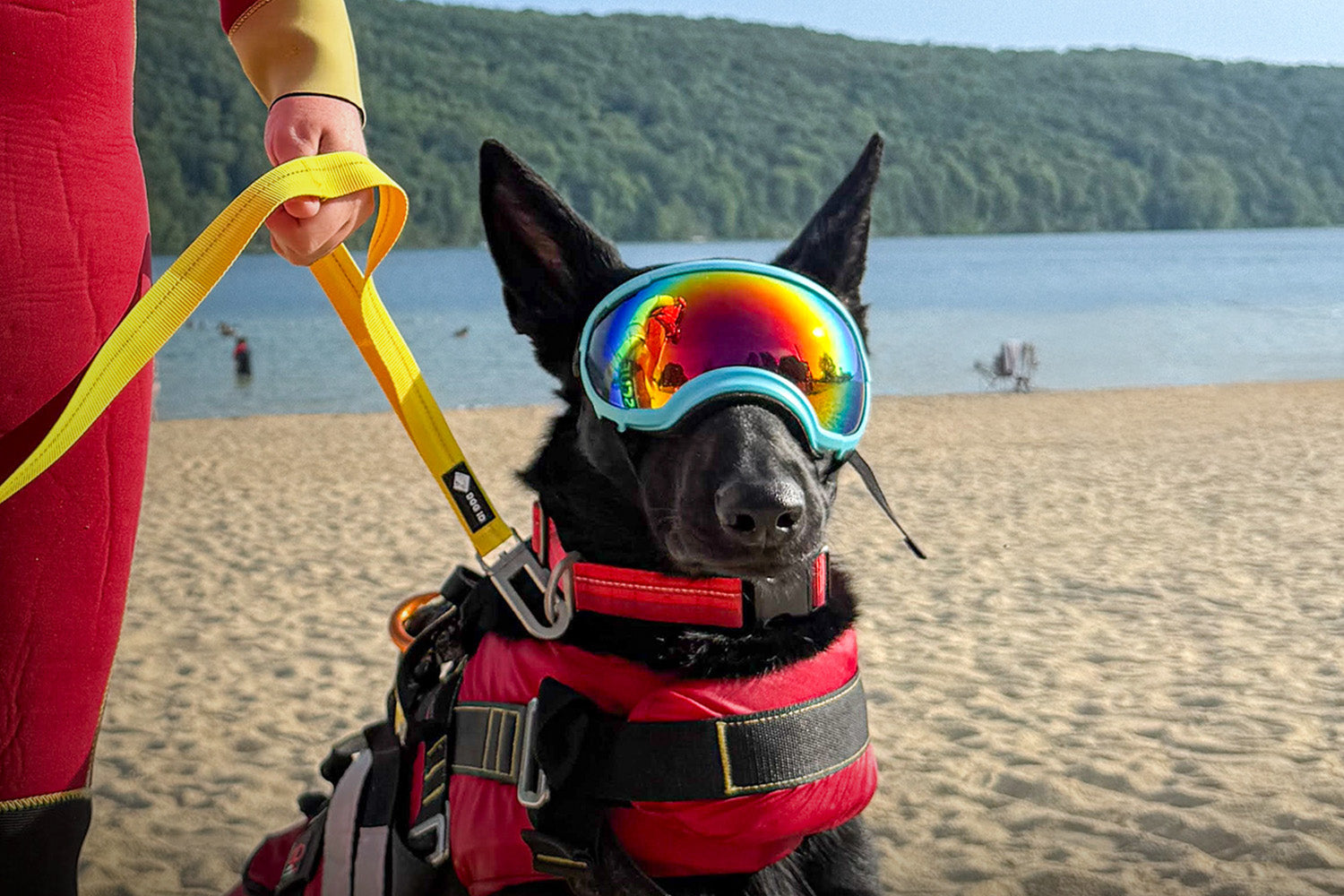
When lives are at risk, the American Academy of Canine Water Rescue relies on dogs trained to do the extraordinary. From early puppyhood to high-stakes rescue scenarios, these canine lifeguards are prepared to jump from boats, jet skis, and even helicopters to help save people in distress. We spoke with George Abraham, the President of American Academy of Canine Water Rescue, to learn what goes into their training, the gear they depend on, and what it truly takes to prepare a dog for life-saving work.
Why are dogs uniquely suited for water rescue compared to human teams?
The best dogs for water rescue are natural water loving dogs such as Newfoundlands, labradors, golden retrievers etc.
What does the training process look like from day one to certification? How long does this take?
Typically we like to start the dogs off as soon as possible. Our puppies get in the water as early as 10-12 weeks old. Most water loving dogs that pass our level 1 certification need about 12-18 months of training. Our level 1 dogs are able to perform rescues from both beach and boat, but primarily operate from the beachfront with a lifeguard. Our more advanced dogs will operate from rescue boats and jet ski.
How do you build confidence in high-stress environments?
Continued exposure and acclimation to high stress scenarios is what we have found to be the best method. We train at the same level of speed and urgency as we would face during an actual rescue.
Are certain breeds suited for water rescue?
Yes, the natural water loving dogs and retrievers are better equipped to water rescue. But also size is a factor. You need a dog that is able to swim well, but also strong enough to swim well while towing a human or water craft.
Can you share a memorable rescue that really captures what these dogs are capable of?
Our first rescue of 2024 was a text book example of how well a trained water rescue dog can be invaluable in the water. We had multiple people in the water after being thrown from a jet ski. With the help of one of our Newfoundlands, one lifeguard was able to help all involved at the same time. One of the jet ski riders was a very large man and our Newfoundland was able to pull him safely to our rescue boat with little effort.
What gear is non-negotiable for a canine lifeguard in the field?
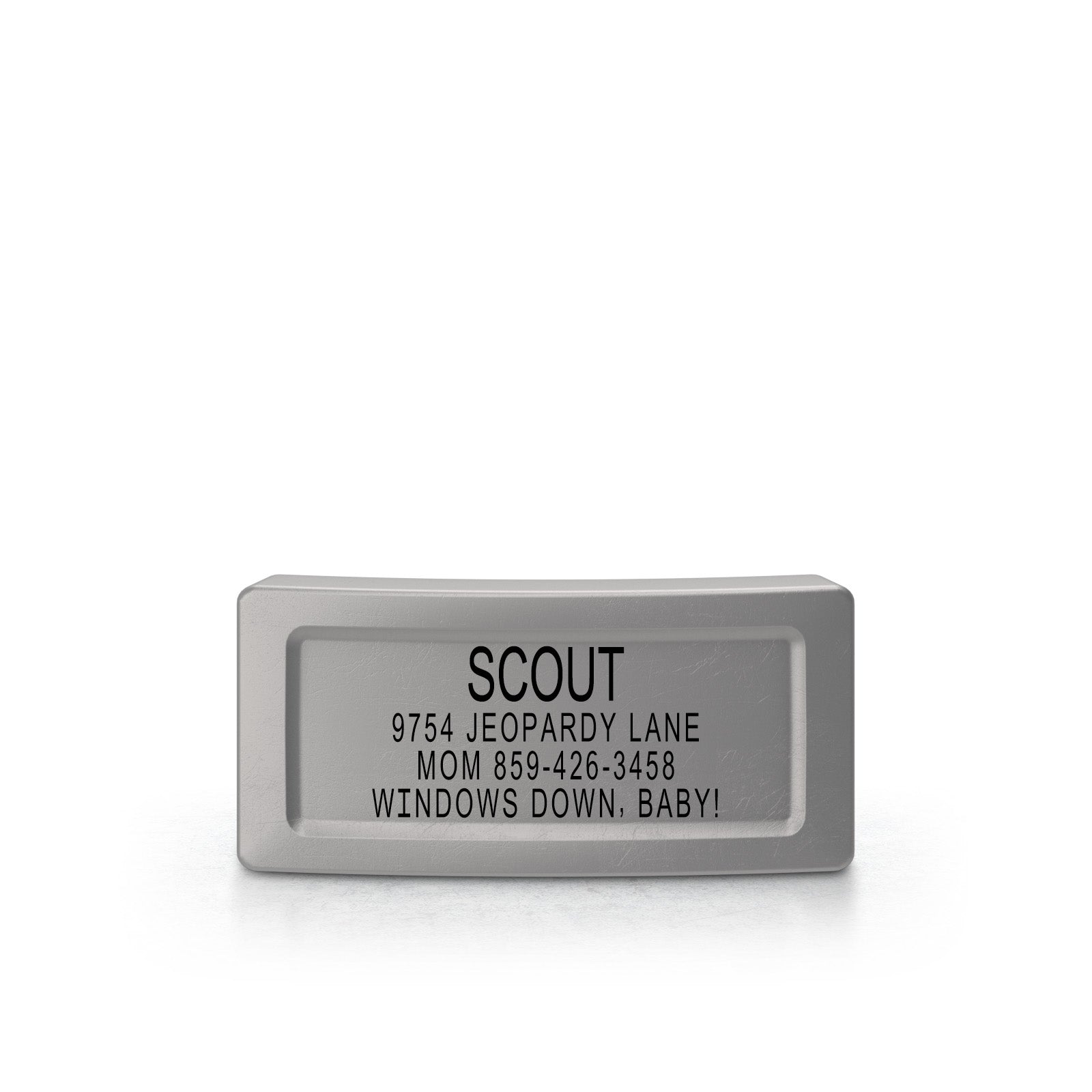
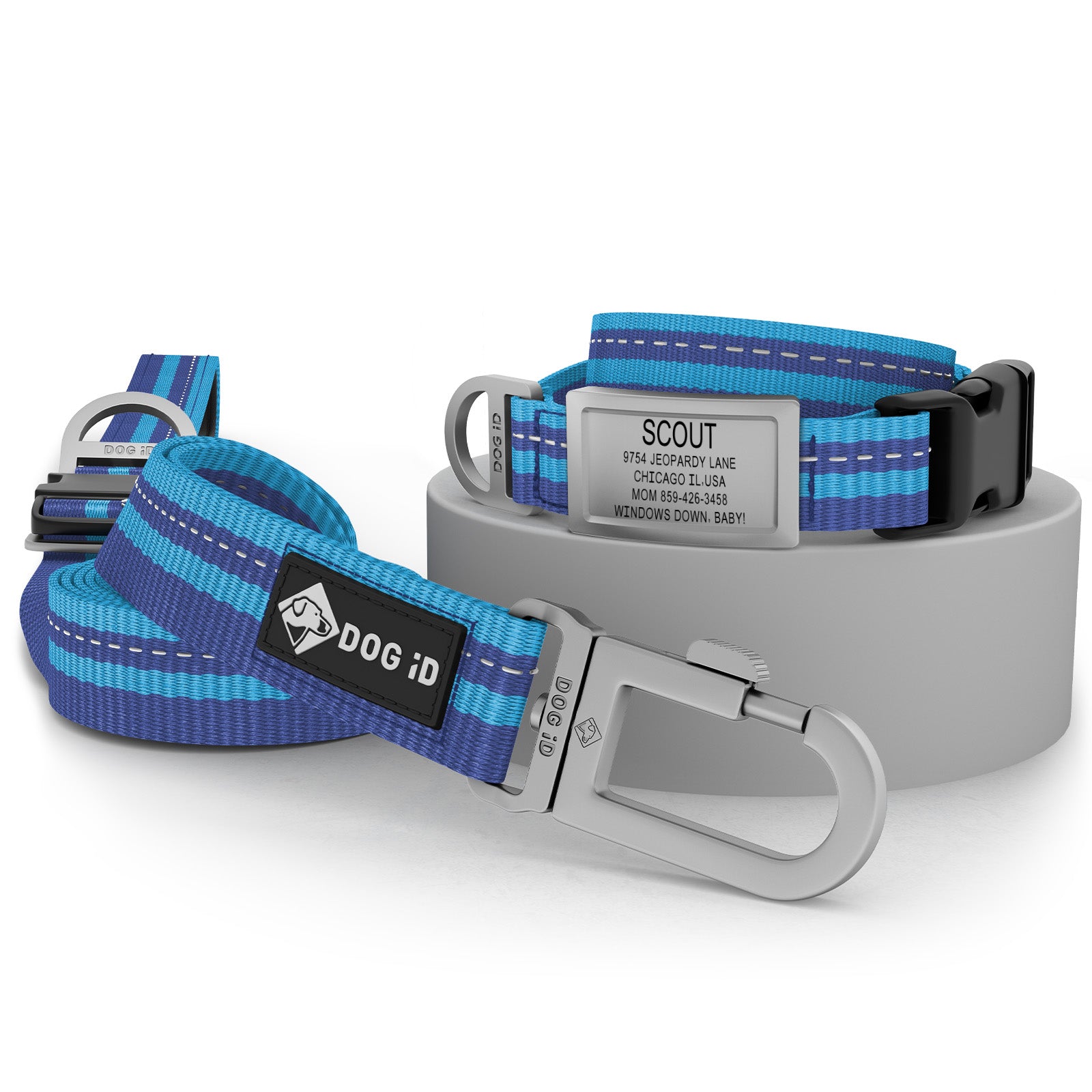
For our K9’s the single most important piece of gear is the rescue life vest they wear. It protects them as well as provides the ability for persons in distress to grab ahold of the dog and hold on while being towed to safety. Most of our rescue techniques all revolve around the dog having its pfd on, we even teach our dogs how to float themselves in it! Our pfd’s are also equipped with air tags via dog id holders. This gives us the ability to track our dogs or find a misplaced jacket as they are very expensive. Leashes and collars are the next piece of critical gear for our dogs. Having control of your working dog is a must. A good leash and collar are safety items to protect your dog and keep them safe in a working environment.
What do you look for in dependable gear in this kind of work?
Gear we use is rigorously tested by us during training activities long before we use it during actual working situations. Well made gear that can take the abuse of everyday work in and around the water and beach is hard to find! The very nature of our work presents a very unique challenge for most dog gear.
Have you had any gear fail over the years?
We have definitely seen our share of gear that has failed under stress or just didn’t live up to our standards/expectations. We ask our dogs to do dangerous work, the very least we can do is provide them with the best gear to mitigate that risk.
What should pet owners learn from working dogs when choosing everyday gear?
Always buy the best gear you can afford. Gear fails at the most inconvenient times! You spend thousands of dollars on buying and keeping your dog healthy, do you really want to trust your dog's safety with the cheapest leash or collar you can find?
How do you keep canine lifeguards physically conditioned for such demanding work?
Swimming, swimming and more swimming! During the cold season when the lakes are frozen, we utilize indoor swimming facilities. We also find that hiking with the dogs keeps them in great shape. Hiking works many different muscles and helps build endurance compared to just walking around your neighborhood. Also, diet! An overweight dog is not only prone to physical injury but will also not be able to perform at the level needed to work in a professional capacity. We treat our dogs as high performing athletes. That means year round training!
What does handler training involve alongside dog training?
Our K9 lifeguards/handlers all go through independent lifeguard certification as a basic requirement to start the process of working to earn K9 lifeguard status. Once they obtain lifeguard certification we begin to teach them how to utilize and work with the K9 in and out of the water. As they gain more experience if we feel they are ready and the dog is ready we move them through our more advanced techniques such as rescue boat and jet ski operations. Our highest achieving teams have the opportunity to train in and deploy from helicopters.
How can people support or learn more about your work?
Visit us at our website k9lifeguards.org, or on social media at The American Academy of Canine Water Rescue.
Canine water rescue is built on trust, between dog, handler, and gear that must perform without fail. These dogs aren’t just strong swimmers, they’re highly trained professionals working in some of the most demanding environments imaginable. Their work is a powerful reminder that when preparation, conditioning, and dependable gear come together, dogs can do more than swim, they can save lives.